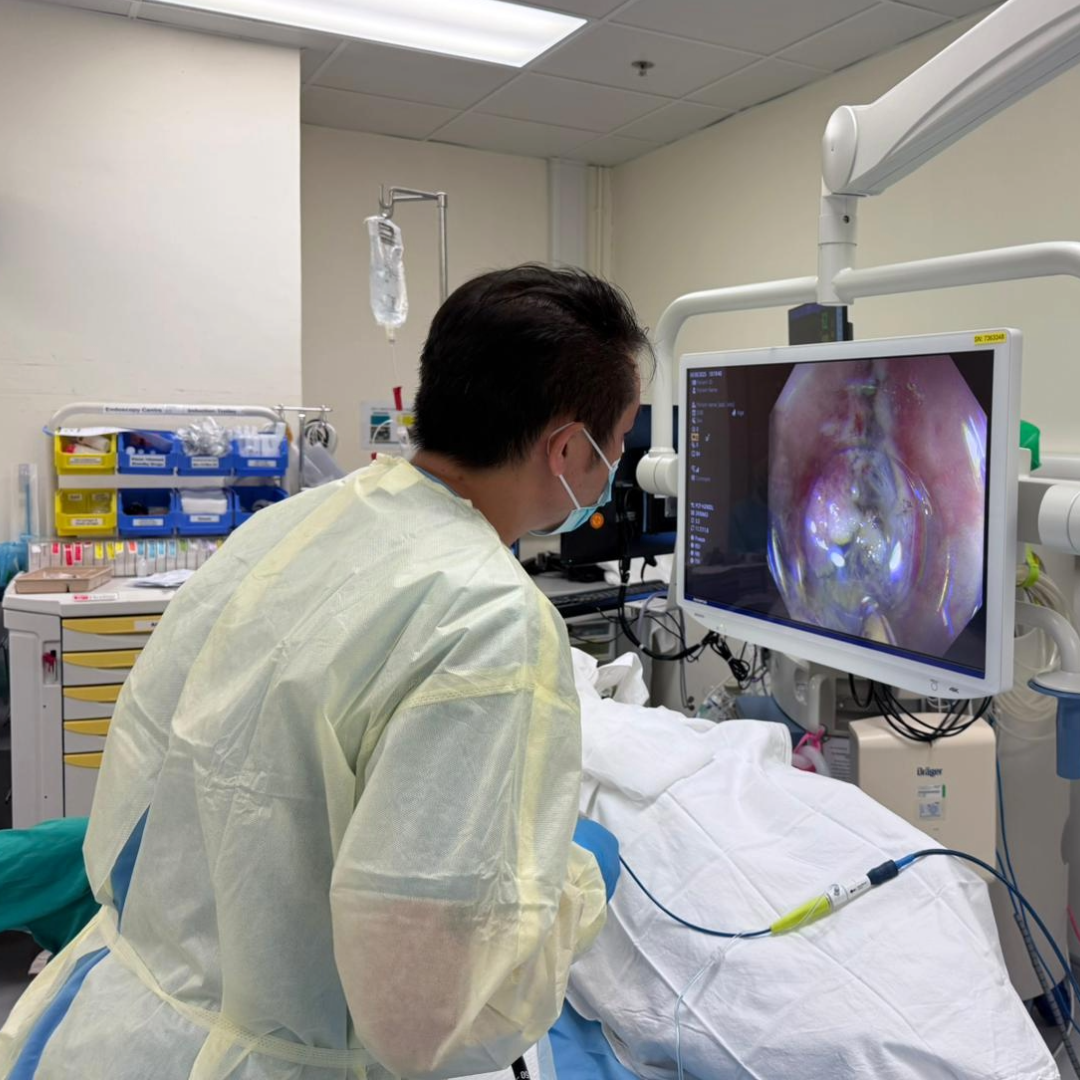
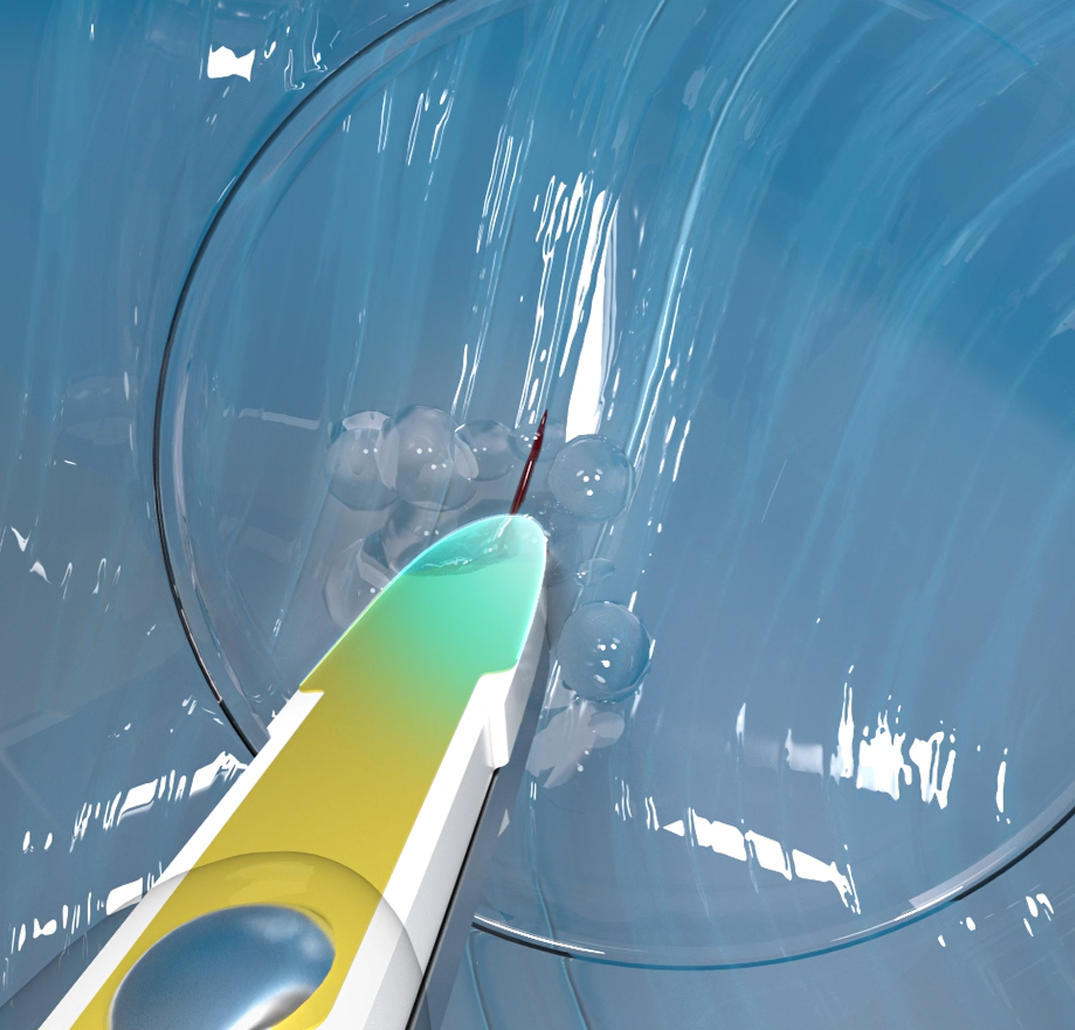
Speedboat-assisted Endoscopic Submucosal Dissection (S-ESD) enables precise dissection and controlled coagulation while reducing procedural complexity for endoscopists. USE DIFFERENT TEXT HERE? STRONGER STATEMENT OR CLAIM?
Speedboat-assisted Endoscopic Submucosal Dissection (S-ESD) enables precise dissection and controlled coagulation while reducing procedural complexity for endoscopists.
Speedboat technology capabilities:
Clinical data shows:
ESD is one of the most technically demanding procedures in therapeutic endoscopy. Speedboat technology changes the equation — combining advanced bipolar RF and super-high frequency microwave energy in a single multi-modal device, so you can dissect, coagulate and inject without switching instruments. ESD is a powerful technique for removing early GI cancers and complex lesions, but its adoption has historically been limited due to:
This is why clinicians and endoscopy specialists around the globe are recommending S-ESD due to greater procedural control, a superior safety profile, and the ability to extend ESD practice further across the GI tract.
Clinical Paper
A Multicenter Asian Experience with SSD Knife:Simplifying Endoscopic Submucosal Dissection (ESD) for Novice Endoscopists with a Focus on Learning Curve and Safety
N Paibulsirijit, N Wiriyakulnun, J Wongyongsil, T Sukaram, P Tawaina
SSD demonstrates high efficacy and safety for colonic polypectomy, even in the hands of novice endoscopists. Its intuitive design facilitates rapid learning, making it a promising tool for broader clinical adoption. The international collaboration involved in training further underscores its global potential and adaptability.
View our case gallery for more ESD procedures performed with Speedboat technology.
View case gallery
Watch our 'Managing UGI Diseases with an Innovative Advanced Energy Platform' webinar, hosted by leading gastroenterologists.
View webinar
Clinical Case Study (with video): Professor Brian Saunders, Consultant Gastroenterologist, uses Speedboat Notch for a mid-rectal, G-type LSL mixed case.
View case study
References: